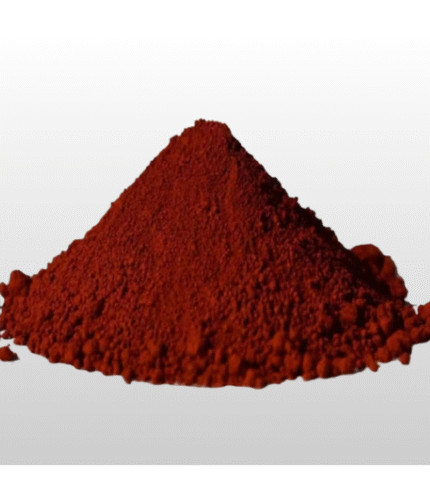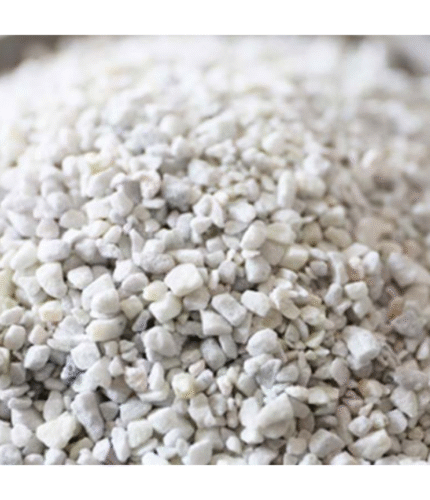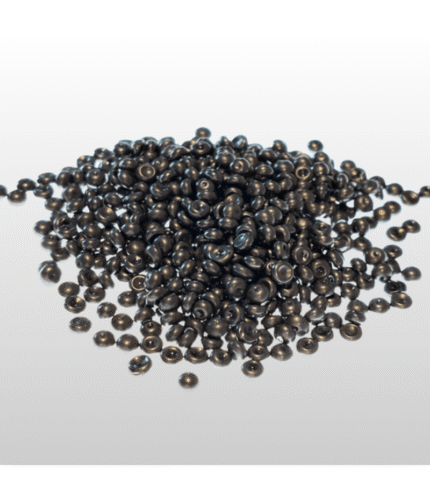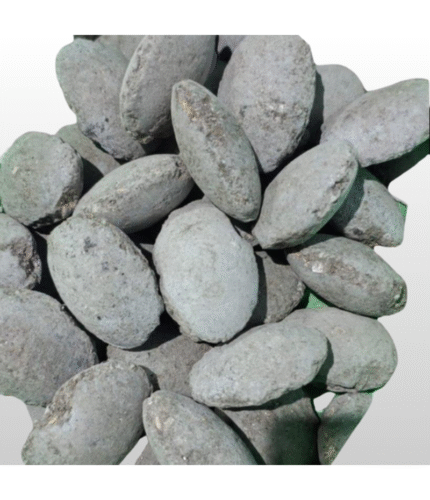
Synthetic Slag Premix Lime Alumina Silica

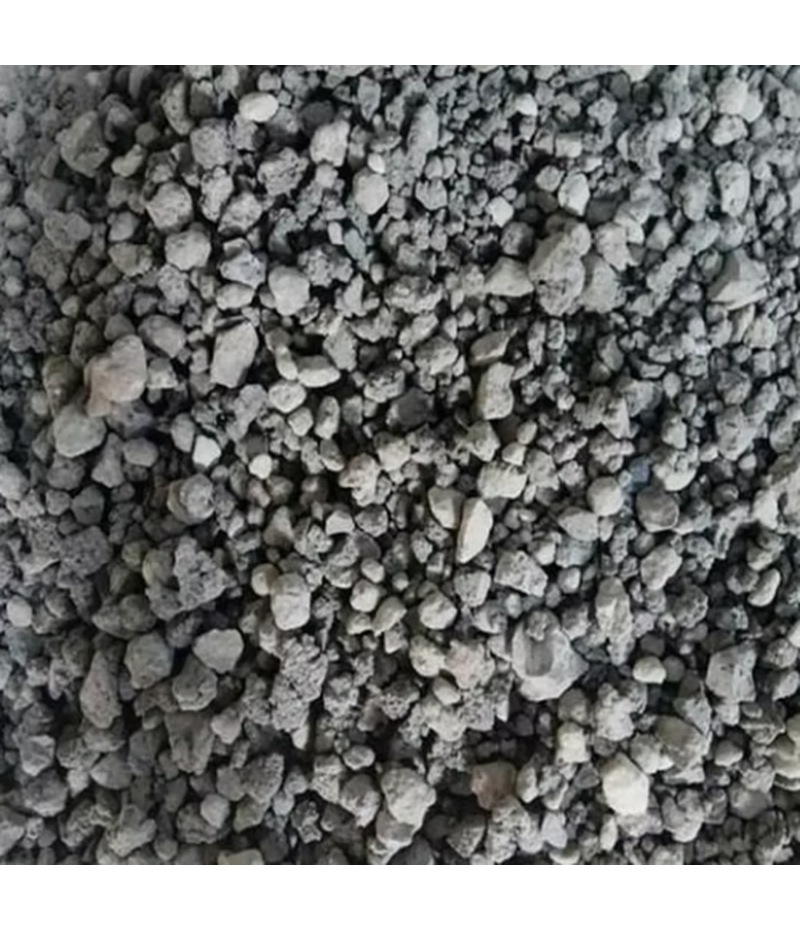
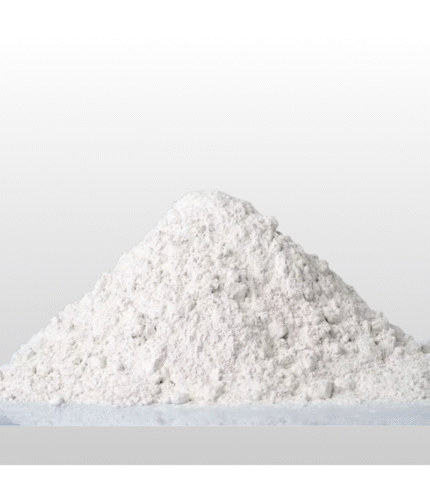
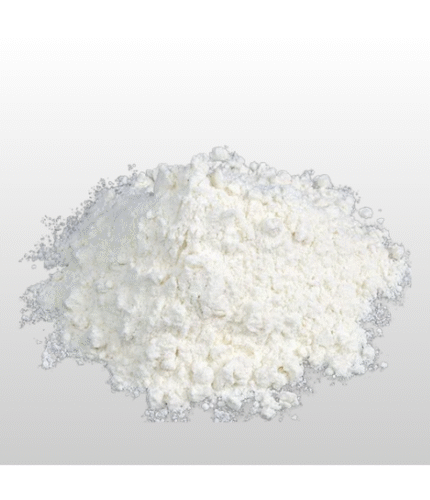
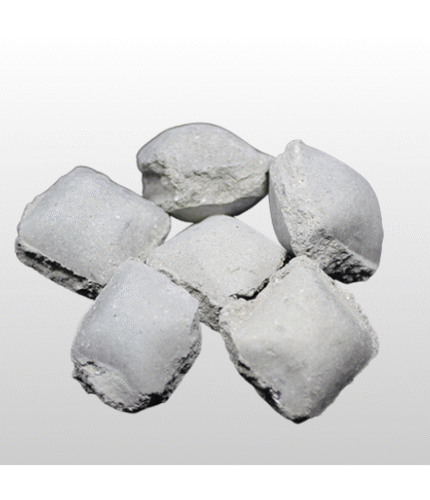
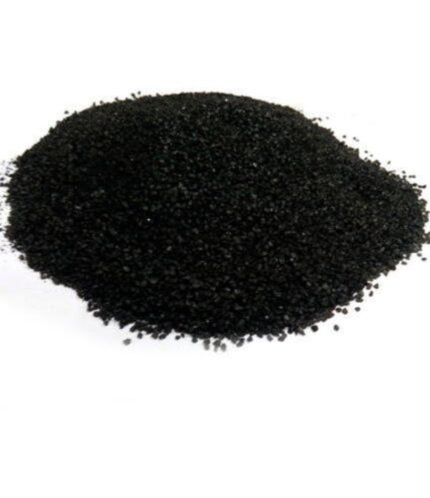
Synthetic Slag Premix Lime Alumina Silica is a custom-engineered blend of fluxing agents, primarily Calcium Oxide (CaO), Alumina (Al₂O₃), and Silica (SiO₂). It is used extensively in secondary steelmaking (ladle metallurgy) as a deoxidizing, desulfurizing, and refining agent.

The premix is designed to form a low-melting, highly reactive liquid slag layer on top of the molten steel, which absorbs impurities (sulfur, non-metallic inclusions) and provides thermal insulation, leading to cleaner, higher-quality steel.


Main Function and Characteristics

The primary function is to optimize the Ladle Metallurgy Process. The precise ratio of CaO, Al₂O₃, and SiO₂ is formulated to achieve an ideal basicity index and a low liquidus temperature, ensuring rapid slag formation.

Characteristic Value Range Primary Metallurgical Function
Basicity Index (CaO/SiO₂ Ratio) ~2.5 to 4.0 Determines the slag’s capacity to absorb sulfur and phosphorus
Liquidus Temperature LOW (<1400°C) Ensures rapid melting and a liquid, active slag layer
Purity LOW FeO/MnO Reduces oxygen transfer back into the steel, protecting deoxidizing agents

Classification

  • Metallurgy Focus: Fluxing Agent
  • Primary Application Focus: Inclusion Absorption & Desulfurization → Secondary Steelmaking (Ladle Treatment), High-Grade Steel Production

Key Performance Metrics

  • Desulfurization Efficiency: HIGH — High CaO activity promotes sulfur transfer from the metal to the slag phase
  • Refining Rate: FAST — Rapid melting shortens the treatment time in the ladle
  • Inclusion Removal: EXCELLENT — Liquid slag acts as a filter, absorbing non-metallic impurities (inclusions)

Request a Quote

Description

Synthetic Slag Premix Lime Alumina Silica (CaO-Al₂O₃-SiO₂)

1. The Role of Secondary Metallurgy

While primary steelmaking (furnace) focuses on bulk carbon removal, secondary metallurgy (ladle treatment) is where the critical refinement takes place. The synthetic slag premix is the centerpiece of this refinement:

  • Impurity Absorption: The molten slag acts as a chemical sponge. Its high basicity (CaO) creates a favorable chemical potential gradient, causing detrimental impurities like sulfur (S) and phosphorus (P) to migrate out of the metal and into the slag layer.
  • Inclusion Control: Non-metallic particles (e.g., alumina inclusions formed during deoxidation) are absorbed by the liquid slag, preventing them from becoming defects in the finished steel. This is essential for producing high-quality, clean steel grades.
  • Thermal Insulation: Once liquid, the slag forms a protective cover that minimizes heat loss (reducing energy costs) and prevents the re-entry of oxygen from the atmosphere (re-oxidation), preserving the expensive alloying elements added to the steel.

2. Formulation and Basicity

The premix is “synthetic” because its composition is precisely controlled, unlike natural blast furnace slag. The CaO-Al₂O₃-SiO₂ ternary system is the foundation:

  • CaO (Lime): The active basic component responsible for desulfurization
  • Al₂O₃ (Alumina) and SiO₂ (Silica): Fluxing agents to control viscosity and liquidus temperature of the slag. Ratios are adjusted to ensure the slag melts rapidly below the steel’s temperature, maximizing reactivity.

3. Applications

  • High-Grade Steels: Essential for producing automotive, aerospace, and electrical steels that require extremely low sulfur content (<0.005%) and high cleanliness
  • Ladle Furnace Treatment: Primarily used in the LF (Ladle Furnace) to ensure rapid thermal equalization, effective desulfurization, and homogenization of the steel bath
  • Tundish Fluxes: Similar compositions, often optimized for flow control and further inclusion absorption during the continuous casting process
 

Services

✨ Customization Services

We offer product customization services, allowing you to tailor the appearance, dimensions, or specific markings of items like refractory shapes or bricks. This includes options for incorporating specific geometric requirements to ensure seamless integration into your process systems.


🔬 Sampling for Testing & Validation

Free product samples are available for thorough testing and validation. This allows you to confirm the quality, compatibility, and performance of our materials—such as specific bricks, castables, or raw materials—before committing to a full order.


💡 Expertise in Refractory Solutions

Leverage our deep expertise to receive detailed, application-specific refractory solutions. We move beyond just selling products by providing comprehensive plans that encompass material selection, installation guidance, and performance optimization to maximize the lifespan and efficiency of your high-temperature processes.

Certificates

Rabatec products are exclusively manufactured in facilities that have achieved rigorous ISO certifications across Quality (ISO 9001), Environmental Management, and Occupational Health & Safety. This commitment ensures every product, from refractory bricks to specialized equipment, meets the highest global benchmarks for performance, sustainability, and workplace safety.

Shipping & Packaging

📦 Logistics Excellence: Shipping, Packaging, and Marking

  • Minimizing Risk: We manage all logistics to minimize handling touchpoints and transit shock. Our carriers are pre-vetted for their experience in transporting heavy, fragile, and sensitive industrial materials.

  • Traceability: Every shipment includes comprehensive documentation and tracking information, providing end-to-end visibility and ensuring precise delivery coordination for your site.

  • Protection is Paramount: Our packaging strictly follows industry standards to prevent damage, corner chipping, and moisture absorption—especially critical for materials like Basic Refractory Bricks and Refractory Mortars & Mixes.

  • Robust Palletization: Products are secured on fumigated, high-strength export pallets (e.g., 1100x950mm or similar sturdy dimensions) using heavy-duty strapping and durable protective wrapping (polyethylene sheeting, cardboard, etc.) to withstand long-distance travel and multiple loadings.

  • Moisture Control: Sensitive materials are protected with appropriate sealing and, where necessary, desiccants or moisture-vapor proof enclosures to maintain the product's integrity until installation.

  • Clear Identification: All outer packaging is clearly marked on multiple sides with large, legible text for immediate identification and safe handling.

  • Full Traceability: Markings include all essential data points: Product Name, Quality Grade, Batch Number, Quantity, Net/Gross Weight, Order Number, and the Final Destination/Construction Area. This ensures every pallet can be accounted for and correctly staged upon arrival.

  • Safety & Compliance: We adhere to all regulatory requirements for marking, labeling, and placarding—especially for any items classified as Dangerous Goods—to ensure full compliance with international and domestic transport regulations.

FAQ

❓ Frequently Asked Questions (FAQ)

Question

Elaborated Answer

Q: What is the Refractoriness Under Load (RUL) of your refractories?

A: Refractoriness Under Load (RUL) is a critical property that defines the maximum temperature our materials can withstand while under compressive stress before deforming (softening). Since we offer a wide range of materials—from Alumina-Silicate Bricks to high-performance Silicon Carbide Bricks—the RUL varies significantly. For specific product data, please refer to the product data sheet or submit a quote request for the material you are interested in.

Q: Where are the Rabatec refractories and materials produced?

A: Our products are primarily sourced from specialized manufacturing plants in China. Crucially, these facilities have all undergone rigorous audits and achieved comprehensive ISO certifications (Quality, Environment, and Safety), ensuring that production adheres to the highest global standards for consistency and performance.

Q: What refractory materials does the company offer?

A: We supply a comprehensive portfolio of advanced refractory solutions, including: Shaped Products: Alumina & Silica Bricks, Basic & Specialized Bricks (e.g., Magnesia), SiC & Structural Ceramics, and Precast Shapes. Monolithic Products: Refractory Castables, Mixes & Mortars. Insulation: Insulation Fibre and High-Performance Insulation Products.

Q: How should I choose the appropriate refractory material for my application?

A: Selecting the correct refractory is paramount to process efficiency. The choice depends on three key factors: 1. Operating Environment: Maximum process temperature and thermal cycling (shock). 2. Chemical Attack: Type of slag, molten metal, or corrosive gas being handled (acidic, neutral, or basic). 3. Mechanical Stress: Abrasion, erosion, and static load requirements. We recommend utilizing our detailed refractory solutions service to consult with our engineers for an optimized, application-specific recommendation.

Q: Which monolithic material should I choose when patching an existing lining?

A: For patching and minor repairs, the ideal monolithic material depends on the parent lining material, the patching depth, and the need for a rapid return to service. Common choices include: Refractory Mortars & Mixes (for minor joints/surfaces) or Plastic Refractories (for areas requiring physical compaction). Always choose a patch material chemically compatible with the existing lining to ensure proper bonding and service life.

Q: Can I receive product samples before placing a major order?

A: Yes. We gladly provide product samples for your internal testing and validation purposes. This ensures you can confirm the quality, composition, and fit of the material—such as our Refractory Castables or Alumina-Silicate Bricks—in your specific operational environment before committing to a bulk purchase.

Q: Do you provide certifications to verify material quality?

A: Absolutely. We provide product-related inspection certificates and quality assurance documentation upon request. This verifies that your order has passed all internal quality control checks and meets the required material specifications and industry standards.

Q: What measures are taken for product protection during transport?

A: We ensure quick, reliable transport by using robust, industrial packaging that strictly follows industry standards. This includes high-strength palletization, heavy-duty strapping, and weather-resistant wrapping to protect fragile items like bricks and mixes from corner chipping, mechanical damage, and moisture during transit.